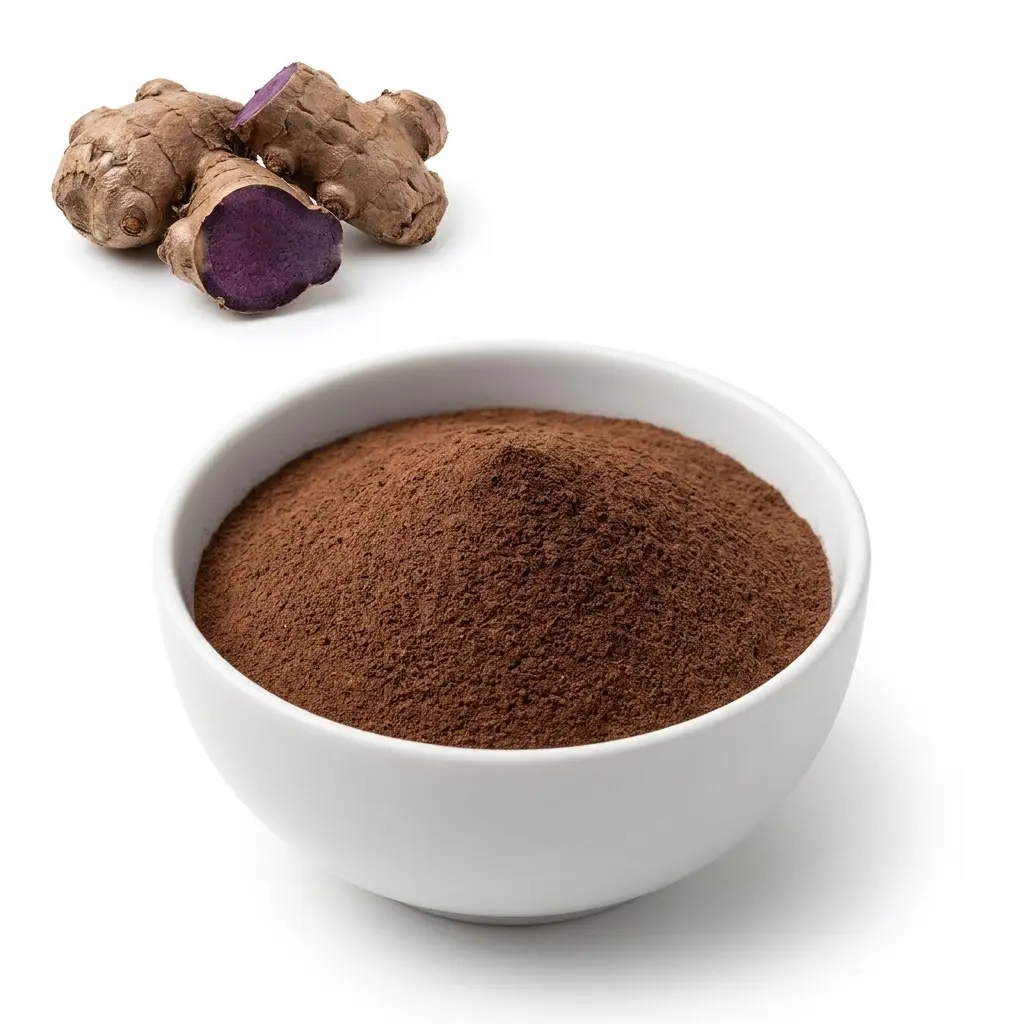
Black Ginger Extract
- Source
- Kaempferia parviflora Wall. ex Baker · Rhizome
- Origin
- Thailand · Lot-specific origin on request
- Standardization
- 5,7-Dimethoxyflavone 1% / 2% / 5% / 8% / 10% · HPLC
- Extract Type
- Ethanol extract · Spray-dried powder
- Key Compounds
- 5,7-DMF · 5,7,4′-TMF · Polymethoxyflavones
- Applications
- Dietary supplements · Sports nutrition · Weight management · Functional foods
- Certifications
- GMP · ISO 22000 · FSSC 22000 · HACCP · Halal · Kosher
MOQ
1 kg
Lead time
7–15 days
Quotation
24 hours
Samples
Free
Bulk Black Ginger Extract Supplier—1%–10% 5,7-DMF (HPLC), B2B Wholesale
Written by Flora · Reviewed by Prof. Bingji Ma · Updated October 2026
PhytoVale supplies bulk black ginger extract (Kaempferia parviflora rhizome) standardised to 5,7-dimethoxyflavone (DMF) at 1%, 2%, 5%, 8% and 10% by HPLC. DMF is the principal polymethoxyflavone in black ginger and the compound most consistently linked to PDE5 inhibition, AMPK-driven energy metabolism and visceral-fat reduction in published clinical trials. Five concentration tiers let formulators match the extract to the product — from a functional beverage at the low end to a clinical-dose sports or male-health capsule at the top.
This page is written for dietary-supplement formulators, sports-nutrition brands and functional-food developers. It covers available grades and how to choose between them, the polymethoxyflavone profile that separates black ginger from common ginger, the three pharmacological pathways behind its multi-category appeal, clinical evidence organised by strength, a formulation guide addressing bioavailability and synergy stacking, regulatory status by market, safety data and contraindications, and supply information.
01 · Product range
Available Grades and How to Choose
Five grades, each built for a different dose window and product format. The right one depends on how much extract you can fit per serving, what the end product is, and whether you are trying to replicate a published clinical dose or add a supporting active at a lower inclusion level.
| Grade | DMF (HPLC) | Typical inclusion rate | Primary application window |
|---|---|---|---|
| 1% DMF | ≥1% | 300–500 mg/serving | Functional beverages, RTD energy drinks, general-wellness powders — large dose volume is not a constraint, and cost per serving needs to stay low |
| 2% DMF | ≥2% | 200–400 mg/serving | Daily vitality capsules, weight-management blends, softgels — moderate potency at a competitive price point |
| 5% DMF | ≥5% | 100–250 mg/serving | Sports nutrition, pre-workout formulas, circulation-support capsules — fits a two-capsule-per-day protocol without crowding other actives |
| 8% DMF | ≥8% | 75–150 mg/serving | Targeted male-health products, clinical-strength fat-loss protocols — high potency in a small capsule footprint |
| 10% DMF | ≥10% | 60–120 mg/serving | Premium sport performance, sexual-health formulas, clinical-dose replication — maximum active per milligram of extract |
The dose arithmetic needs a careful distinction. The published visceral-fat-reduction trials dosed at 12 mg of total polymethoxyflavones (total PMFs) per day — the sum of all fifteen PMFs in the extract, not a single compound.[1][2] Our grades are standardised on DMF alone, which is the most abundant single PMF and typically accounts for 40–60% of the total PMF pool in a black ginger ethanol extract. A 10% DMF extract therefore contains roughly 18–25% total PMFs. At 120 mg of 10% DMF extract per day, you deliver approximately 12 mg of DMF and 22–30 mg of total PMFs — comfortably above the 12 mg total-PMF clinical reference dose. At the 5% grade, 240 mg of extract provides roughly the same total-PMF load.
The 5% grade is where most supplement brands start. It sits in the middle of the cost-versus-potency curve: 200 mg per serving delivers 10 mg of DMF in a capsule format that leaves room for complementary ingredients like L-citrulline or piperine.
Specification sheets
Full analytical data — particle size, loss on drying, heavy metals, microbiology and residual solvents — are provided in the Certificate of Analysis for each grade. Request a COA here.
02 · The ingredient
What Is Black Ginger Extract
Black ginger (Kaempferia parviflora Wall. ex Baker) is a perennial herb in the Zingiberaceae family, native to the highlands of northern and north-eastern Thailand. The plant grows to about 90 cm and produces rhizomes whose cross-section is deep purple to black — a visual marker that immediately distinguishes it from common ginger. That colour comes from anthocyanins concentrated in the rhizome tissue.
In the Thai folk pharmacopoeia the rhizome is called Krachai Dam and prescribed for digestive complaints, fatigue, allergies, asthma, gout, peptic ulcer and — most famously — as a male vitality tonic.[3] Beyond Thailand, it is cultivated and used in traditional medicine in Laos, Vietnam and Cambodia: Vietnamese practitioners apply it for abdominal pain, indigestion and menstrual cramps; Lao and Cambodian herbalists use it to relieve inflammation and boost physical stamina.[3][14] Thailand remains the primary source for commercial extraction, but the plant's traditional footprint spans mainland South-East Asia.
The reason it has attracted modern research interest is its polymethoxyflavone (PMF) content. Fifteen distinct PMFs have been identified in the rhizome to date, carrying between one and five methoxy groups on the flavone backbone.[4] This class of compounds is uncommon in dietary plants at these concentrations, and it drives the pharmacological activity that sets black ginger apart from common ginger and from most other botanical adaptogens.
Black ginger is not common ginger
This comes up in roughly half of first-time enquiries, so it is worth making explicit. Kaempferia parviflora and Zingiber officinale are in the same botanical family but are different genera with different chemistry, different standardisation markers and different evidence bases.
| Black ginger (K. parviflora) | Common ginger (Z. officinale) | |
|---|---|---|
| Rhizome colour | Deep purple to black | Pale yellow |
| Key bioactive class | Polymethoxyflavones (PMFs) | Gingerols, shogaols |
| Standardisation marker | 5,7-Dimethoxyflavone (DMF) | 6-Gingerol |
| Research focus | Visceral fat, exercise performance, vascular health, male vitality | Nausea, digestion, joint inflammation |
| Traditional positioning | Energy and vitality tonic | Digestive and anti-emetic herb |
Sourcing "ginger extract" without specifying the species is how a blood-sugar formula ends up with gingerols instead of PMFs, or a male-health product ends up with the wrong evidence file. The botanical name on the COA — Kaempferia parviflora, not Zingiber officinale — is the only reliable check.
03 · Chemistry
Active Compounds — The Polymethoxyflavone Profile
Polymethoxyflavones as a compound class
PMFs are flavones carrying multiple methoxy (–OCH₃) substituents on the A- and B-rings. In black ginger rhizome they are the dominant secondary metabolites: in research-grade concentrates, supercritical CO₂ extracts can contain 72–89% total PMFs by weight, and crude ethanol extracts range from 55–70%.[5] These figures describe unformulated research material. Commercial standardised extracts — including the grades on this page — quote the content of a single marker compound (DMF) by HPLC rather than total PMFs, and are formulated to a consistent specification suitable for finished-product dosing. The methoxy groups increase lipophilicity relative to hydroxylated flavonoids, which affects both bioavailability (discussed in the formulation section) and receptor-binding behaviour.
The three marker compounds
Research has concentrated on three PMFs that occur at the highest levels in the rhizome and account for the bulk of the reported pharmacological activity:
| Compound | Abbreviation | Key reported activities |
|---|---|---|
| 5,7-Dimethoxyflavone | DMF | Highest abundance in the rhizome; the industry standardisation marker and the most pharmacologically characterised single PMF — see Section 04 for its PDE5-inhibitory mechanism |
| 5,7,4′-Trimethoxyflavone | TMF | Anti-adipogenic, anti-inflammatory, anti-senescence in skin fibroblasts — stronger anti-ageing effect than DMF in ex vivo skin models[7] |
| 3,5,7,3′,4′-Pentamethoxyflavone | PMF | Lipolysis promotion, triglyceride reduction in mature adipocytes, melanogenesis modulation via TPC2 channel blocking[7] |
DMF was adopted as the standardisation marker because it is the most abundant PMF in the rhizome and has the deepest body of published pharmacological data. When a COA quotes "5,7-dimethoxyflavone by HPLC," it is measuring this specific compound — not total PMFs, not total flavonoids.
Beyond PMFs
The rhizome also contains anthocyanins (responsible for the purple-black colour), carotenoids, phytosterols, fatty acids and volatile oils. These contribute to the total antioxidant capacity but are not the compounds driving the clinical endpoints. In a standardised extract, they are present but not controlled — the manufacturing process optimises for PMF recovery.
04 · Pharmacology
How Polymethoxyflavones Work — Three Pathways, Four Product Categories
Most botanical extracts support one claim direction. Black ginger supports four — visceral fat, exercise performance, male vascular health and skin ageing — because its PMFs act on three distinct intracellular pathways. Understanding these pathways matters for formulators because it determines which ingredients to stack with and which claims the evidence file can support.
PDE5 inhibition → vascular relaxation
DMF inhibits phosphodiesterase type 5 (PDE5), the same enzyme target as sildenafil, at moderate affinity (IC₅₀ ≈ 10.6 µM, with 3.7:1 selectivity for PDE5 over PDE6).[6] PDE5 inhibition raises intracellular cGMP → triggers nitric oxide release → relaxes vascular smooth muscle → improves peripheral blood flow. Black ginger ethanol extract also directly increases NO production in blood vessels and reduces vascular contractile response to phenylephrine.[8] This pathway underpins both the cardiovascular-support positioning and the male vascular-health positioning — and it operates independently of testosterone levels, which is why black ginger can be stacked with hormonal-support ingredients without redundancy.
AMPK activation → energy metabolism
PMFs activate AMP-activated protein kinase (AMPK) in skeletal muscle cells, upregulating glucose transporter 4 (Glut4) expression and increasing fatty-acid β-oxidation.[9] The downstream effect is higher cellular energy output per unit of substrate — which translates to improved endurance capacity in animal models and grip-strength gains in human subjects. This pathway also connects to the PI3K/Akt signalling cascade, improving insulin sensitivity, and to PPARγ agonism, which improved glucose tolerance and suppressed fat accumulation in diabetic animal models.[10] Black ginger can therefore serve as both a sports-nutrition active and a metabolic-health active from the same mechanism.
Brown adipose tissue activation → fat oxidation
Matsushita et al. demonstrated in a human study that acute ingestion of black ginger extract increased whole-body energy expenditure through activation of brown adipose tissue (BAT), the site of non-shivering thermogenesis.[11] In animal models, the extract suppressed whitening of brown adipocytes and promoted brown-fat-cell differentiation. Combined with the AMPK-driven lipolysis pathway and the observed inhibition of adipogenesis and lipogenesis gene expression, this forms a multi-target anti-obesity mechanism that operates from both the energy-expenditure side and the fat-storage side.
Why this matters for formulators
A single raw material that touches sport, weight management, male health and cardiovascular support reduces the number of actives in a formula and simplifies the supply chain. That multi-target profile is black ginger's central formulation value — and the synergy-stacking table in Section 06 shows how to build on it with complementary ingredients for each product category.
05 · Evidence
Clinical Evidence by Benefit Area
Organised by strength of the published evidence, strongest first. Each section closes with the dose reference from the relevant trials so you can map it directly to the grade table in Section 01.
Visceral fat and body composition
The deepest evidence base. Three randomised, double-blind, placebo-controlled trials — two in Japan, one in Korea — all report statistically significant reductions in abdominal fat after 12 weeks of daily supplementation.
Miyake et al. (2018) enrolled 76 overweight Japanese subjects. The active group received 150 mg of KPE (containing 12 mg total PMFs) daily. At 12 weeks, visceral fat area, subcutaneous fat area, total fat area and serum triglycerides were all significantly reduced versus placebo.[1] Yoshino et al. (2021) repeated the protocol with purified PMFs in 80 subjects: visceral fat area decreased from 85.2 to 81.6 cm² in the active group, with no change in the placebo group. Total fat area was also significantly lower at both week 8 and week 12.[2] Sung et al. (2025) tested KPE in 108 overweight Korean adults using dual-energy X-ray absorptiometry. Body fat mass, body weight and BMI all declined significantly in the intervention group versus control. A small reduction in lean body mass was also observed in the intervention group — not flagged as a safety concern by the investigators, but worth noting for formulators designing body-recomposition products who may want to pair the extract with a protein or creatine base.[12]
Clinical dose reference: 12 mg total PMFs per day for 12 weeks. At the 10% DMF grade (~20% total PMFs), 120 mg of extract delivers roughly 24 mg of total PMFs — above the trial threshold. At the 5% grade, 240 mg achieves a similar total-PMF load.[1][2][12]
Exercise performance and muscular endurance
Toda et al. (2016) demonstrated in an animal model that KPE increased physical fitness and muscular endurance through AMPK activation and reduced inflammatory markers.[9] Human-trial data has followed: a 2026 RCT in 30 trained young men (180 mg black ginger extract per day for eight weeks alongside resistance training) reported a significant improvement in squat endurance (p = 0.02) versus the placebo group, though no significant change was seen in maximal strength or body composition over that shorter timeframe.[15] Separately, earlier human data reported improved grip strength at weeks 4, 8 and 12 and favourable modulation of heart-rate variability in subjects receiving KPE.
Clinical dose reference: 100–200 mg extract per day in the exercise studies. The 5% and 8% DMF grades align with this range in a single-capsule format.
Male vascular health
Stein et al. (2018) ran a 30-day open-label pilot in 13 healthy men aged 50–70 using an ethanol extract standardised to 5% DMF. International Index of Erectile Function (IIEF) scores increased significantly from baseline.[8] The study did not observe significant changes in testosterone or other hormone levels, indicating the effect operates through the PDE5/vascular pathway rather than the endocrine axis — a meaningful distinction for product positioning, because it means black ginger can be stacked with testosterone-support ingredients like tongkat ali or fenugreek without pathway overlap. The evidence here is early-stage (small, open-label) and further placebo-controlled trials are needed to confirm efficacy, but the mechanistic rationale via PDE5 inhibition is well established from the in vitro data.[6]
Clinical dose reference: 100–200 mg of extract standardised to 5% DMF, taken daily. The 5%–10% DMF grades are the natural fit.[8]
Skin and cellular ageing
Klinngam et al. (2022) tested three purified PMFs (DMF, TMF and PMF) in primary human dermal fibroblasts and an ex vivo human-skin model. The compounds suppressed cellular senescence, reactive oxygen species and senescence-associated secretory phenotype (SASP) factors. In the skin explant model, they restored expression of collagen type I, fibrillin-1 and hyaluronic acid, enhanced epidermal thickness and blocked age-related inflammation. TMF and PMF showed the strongest effects on elastin and hyaluronic acid.[7] A standardised extract (BG100) has been evaluated for safety in a 3D skin model and a clinical trial.
Formulation note: the skin data is ex vivo and cell-level — no large-scale oral-supplementation RCT has been published for this endpoint. Position as a cosmeceutical or topical-active claim, not an oral beauty-from-within claim, unless you are prepared to build the dossier from ex vivo evidence.
Metabolic health and circadian rhythm
A meta-analysis of RCTs reported that black ginger supplementation improved fasting glucose, visceral fat and resting heart rate versus placebo. The AMPK and PPARγ pathways described in Section 04 underpin the glucose-handling effect. In addition, dichloromethane and ethyl acetate fractions of the extract show α-glucosidase inhibitory activity — a mechanism distinct from the insulin-sensitising approach used by cinnamon polyphenols, and one that directly slows postprandial glucose absorption in the gut.[3] Separately, a 2023 mouse study showed that KPE restored circadian clock-gene expression disrupted by a high-fat diet, with concurrent anti-obesity effects — an early-stage finding that links metabolic dysregulation to circadian disruption and positions black ginger at the intersection of both.
Clinical dose reference: the metabolic endpoints in the meta-analysis overlap with the fat-reduction trial doses — 12 mg total PMFs per day.
Evidence summary
The evidence above supports formulation rationale and product positioning but does not constitute an approved health claim in any jurisdiction. Work with your regulatory team to determine what structure/function language your label may carry in each market.
06 · Formulation
Formulation Guide — Bioavailability, Solubility and Synergy Stacking
The bioavailability problem — and how to manage it
PMFs are highly lipophilic compounds with low aqueous solubility. Pharmacokinetic studies in rats showed that the three major PMFs (DMF, TMF and PMF) have an oral bioavailability of only 1–4%, with the highest tissue concentrations found in liver, followed by kidney, lung, testes and brain.[13] This is not unusual for methoxylated flavonoids — nobiletin and tangeretin from citrus face similar constraints — but it means that formulation strategy matters as much as raw-material potency.
Practical approaches that have been validated for PMFs or structurally similar methoxyflavones:
| Strategy | Mechanism | Format fit |
|---|---|---|
| Lipid co-delivery | MCT oil, lecithin or a lipid-based softgel dissolves PMFs in the dosage form, bypassing the dissolution bottleneck in gastric fluid | Softgels, oil suspensions, liquid sachets |
| Piperine co-formulation | Piperine inhibits intestinal and hepatic CYP3A4 and P-glycoprotein efflux, slowing first-pass metabolism of absorbed PMFs | Capsules, tablets |
| Self-microemulsifying systems (SMEDDS) | Spontaneously form a fine emulsion on contact with gastric fluid, increasing effective surface area and absorption — validated specifically for KPE by Mekjaruskul's group[13] | Capsules, powder-filled sachets |
| Cyclodextrin complexation | Hydroxypropyl-β-cyclodextrin inclusion improves aqueous dispersibility without changing the active structure | Powder blends, drink mixes |
A higher-standardisation extract (8% or 10% DMF) partially compensates for low bioavailability by concentrating the active per milligram — the consumer takes a smaller capsule containing more PMF per dose. This does not solve the absorption problem, but it reduces the formulation burden: fewer milligrams of powder means more room in the capsule for a bioavailability enhancer.
Solubility, taste and processing stability
PMFs are practically insoluble in water. In aqueous formulations — beverages, water-dispersible powders, effervescent tablets — the extract must be pre-emulsified, microencapsulated or complexed before blending. In oil-based systems (softgels, oil-suspension drops), solubility is not an issue. The dry powder is stable under standard supplement-manufacturing conditions; protect from prolonged exposure above 60 °C and from direct UV. Shelf life is 24 months when stored below 25 °C and 60% RH in sealed packaging.
Taste profile: PMFs are largely tasteless at low concentrations. At higher inclusion levels the extract carries a mild earthy, slightly bitter note characteristic of Zingiberaceae rhizomes — far less pungent than common ginger. In capsule and tablet formats, taste is not a factor. In beverages, a standard sweetening system handles the bitterness at typical serving sizes; no specialised masking technology is needed unless the extract dose exceeds 500 mg per serving.
Synergy stacking — what to pair with and why
Because black ginger acts on multiple pathways, it pairs differently depending on the product category. The table below gives formulation-team starting points based on mechanistic complementarity — not medical advice, and not a substitute for stability testing in your specific matrix.
| Product category | Suggested co-actives | Rationale |
|---|---|---|
| Male vascular health | Tongkat ali extract, L-citrulline, maca | Hormonal axis (tongkat ali) + NO precursor (citrulline) + libido (maca) alongside the PDE5-pathway active — covers the category from three angles without redundancy |
| Weight management | Green tea extract (EGCG), capsaicin, CLA | Thermogenesis amplification (EGCG + capsaicin) stacks on top of BAT activation and AMPK-driven fat oxidation from the PMFs |
| Sports performance | Creatine monohydrate, beetroot extract, caffeine | Energy substrate (creatine) + NO-mediated blood flow (beetroot) + CNS stimulation (caffeine) — black ginger contributes endurance and recovery via AMPK and circulation. Note: KPE modulates CYP1A2 activity (see Section 08); if caffeine dose exceeds 200 mg per serving, verify the interaction profile in your specific formulation |
| Skin anti-ageing (oral) | Astaxanthin, hyaluronic acid, vitamin C | Antioxidant depth (astaxanthin) + matrix support (HA, vitamin C for collagen) alongside the anti-senescence activity of TMF and PMF |
| Bioavailability enhancement | Piperine (BioPerine), phospholipid complex | CYP inhibition (piperine) or improved membrane permeability (phospholipids) — applicable across all categories above |
Capsule-fill example — male vascular health
Size-0 capsule (~500 mg fill capacity): 200 mg black ginger extract (5% DMF) + 200 mg tongkat ali extract (2% eurycomanone) + 5 mg piperine + flow agents. Two capsules per day delivers 20 mg DMF + 400 mg tongkat ali — a clinically anchored stack in a familiar consumer format. Adjust proportions if using the 8% or 10% DMF grade, which lets you reduce the black ginger fill weight and add a third active.
07 · Regulatory
Regulatory Status by Market
United States. Black ginger extract is sold as a dietary-supplement ingredient by multiple established brands (Swanson, Life Extension, Nootropics Depot, among others). One branded extract — Actiz!ng™, standardised to ≥20% DMF and ≥35% total PMFs — received self-affirmed GRAS status in October 2025, based on a comprehensive evaluation of toxicological and clinical safety data. Structure/function claims are permitted under DSHEA with proper notification and substantiation. Brands entering this market should evaluate whether their specific extract requires a New Dietary Ingredient (NDI) notification based on its composition and manufacturing history.
Japan. Black ginger extract has been registered under Japan's Foods with Function Claims (機能性表示食品) system and is commercially used in functional beverages, dietary supplements and fat-burning formulations. Key clinical programmes have been conducted by Maruzen Pharmaceuticals and Tokiwa Phytochemical, whose branded extract (SIRTMAX®) was used in the three published fat-reduction RCTs. Finished products incorporating black ginger — including bottled drinks, supplement capsules and performance formulations — are available through major Japanese retail channels.
Thailand and wider South-East Asia. Country of origin. Black ginger has been consumed as food and traditional medicine across mainland South-East Asia for centuries. Commercial use in supplements, energy drinks, skincare and haircare products is well established in Thailand, and the ingredient has also entered finished-product markets in Taiwan.
European Union and other markets. No EU novel-food authorisation has been published specifically for Kaempferia parviflora extract as of the update date. Formulators targeting the EU should assess whether their intended use qualifies under the traditional-herbal-product regulation or requires a novel-food application. Other markets should be evaluated individually.
Regulatory responsibility
We supply black ginger extract as a bulk raw material. Regulatory classification in your target market — whether as a dietary-supplement ingredient, a novel food or a traditional herbal product — is the responsibility of the finished-product brand owner. We recommend consulting your regulatory team or a qualified adviser before product launch.
08 · Safety
Safety Profile and Contraindications
Clinical-trial safety data
Across the published 12-week RCTs in Japan and Korea (combined enrolment exceeding 260 subjects), no serious adverse events attributable to black ginger extract were reported.[1][2][12] Standard safety markers — haematology, liver function, renal function — remained within normal ranges throughout. The extract was described as well tolerated at 150 mg/day (containing 12 mg total PMFs). The Sung 2025 trial noted a small reduction in lean body mass alongside the fat-mass decrease — the investigators did not flag this as a safety concern, but formulators designing body-recomposition products should be aware of it.[12] The GRAS evaluation for Actiz!ng™ included an extensive review of published toxicological data and concluded that the ingredient was safe at typical dietary-supplement intake levels in healthy adults.
Drug interactions and contraindications
Three points require attention on the finished-product label:
PDE5 inhibitors and vasodilators: because DMF acts on the same enzyme target as sildenafil, tadalafil and vardenafil, concurrent use with prescription PDE5 inhibitors could theoretically potentiate vasodilatory effects. For the same reason, the vasodilatory action of black ginger may add to the blood-pressure-lowering effect of antihypertensive medications. Consumers taking prescription erectile-dysfunction medication, nitrates or antihypertensives should consult their physician before use. A pharmacokinetic interaction study in rats confirmed that co-administration of KPE altered the blood concentration profile of sildenafil.[13]
Anticoagulants: no direct interaction data exists between black ginger extract and warfarin or other anticoagulants. However, PDE5-mediated vasodilation can affect haemodynamics, and on a precautionary basis industry practice is to include an advisory for consumers on blood-thinning medication.
Cytochrome P450 modulation: in vitro and in vivo studies show that KPE modulates hepatic CYP450 enzyme activity, including CYP3A4 and CYP1A2.[13] Consumers on narrow-therapeutic-index drugs metabolised by these enzymes should be advised to consult a healthcare professional. For formulators: if your product combines black ginger with caffeine (a CYP1A2 substrate) at doses above 200 mg per serving, flag this interaction in your internal safety review.
Allergy
Black ginger allergy is rare but documented. One case report in the Japanese dermatology literature described an anaphylactic reaction to a dietary supplement containing black ginger.[16] Standard allergen-advisory language is appropriate on the finished-product label.
Label advisory
Finished-product brands should include warnings for consumers on prescription PDE5 inhibitors, nitrate medications, anticoagulants or antihypertensives. Standard pregnancy-and-lactation advisory language ("consult your healthcare provider") is also recommended — controlled human data in these populations does not exist. These warnings should appear on the supplement-facts panel in all markets.
09 · Quality
Sourcing, Quality Control and Documentation
Our black ginger extract is produced by ethanol extraction of Kaempferia parviflora rhizomes, concentrated under reduced pressure, and spray-dried to a fine brown-yellow powder. DMF content is determined by HPLC on every production lot. Heavy-metal limits (Pb, As, Cd, Hg) and microbiological parameters (total plate count, yeast and mould, E. coli, Salmonella) are tested on every lot before release.
Quality management follows GMP, ISO 22000, FSSC 22000 and HACCP standards, with Halal and Kosher certification available. Each shipment is accompanied by a full documentation package: Certificate of Analysis (with HPLC chromatogram), MSDS, TDS, allergen statement and origin statement.
All five DMF grades — 1%, 2%, 5%, 8% and 10% — are available from stock. MOQ is 1 kg. Lead time is 7–15 business days. Custom DMF concentrations can be produced on request for bulk orders. Free samples are available for evaluation — request yours here.
10 · Evidence base
References
[1] Miyake Y, Fukuhara I, Sato H et al. Daily intake of Kaempferia parviflora extract decreases abdominal fat in overweight and preobese subjects: a randomized, double-blind, placebo-controlled clinical study. Diabetes Metab Syndr Obes. 2018;11:447–458. Read paper
[2] Yoshino S, Tagawa T, Awa R et al. Polymethoxyflavone purified from Kaempferia parviflora reduces visceral fat in Japanese overweight individuals: a randomised, double-blind, placebo-controlled study. Food Funct. 2021;12:1603–1613. Read paper
[3] Chen D, Li H, Li W et al. Kaempferia parviflora and its methoxyflavones: chemistry and biological activities. Evid Based Complement Alternat Med. 2018;2018:4057456. Read paper
[4] Mohammad Aidiel MR, Maisarah AM, Khalid K et al. Polymethoxyflavones transcends expectation, a prominent flavonoid subclass from Kaempferia parviflora: a critical review. Arab J Chem. 2024;17(1):105364. Read paper
[5] Wongsrikaew N, Woo HC, Vichitphan K, Han J. Antiproliferative activity and polymethoxyflavone composition analysis of Kaempferia parviflora extracts. J Korean Soc Appl Biol Chem. 2012;55:813–817. Read paper
[6] Temkitthawon P, Hinds TR, Beavo JA et al. Kaempferia parviflora, a plant used in traditional medicine to enhance sexual performance, contains large amounts of low-affinity PDE5 inhibitors. J Ethnopharmacol. 2011;137(3):1437–1441. Read paper
[7] Klinngam W, Rungkamoltip P, Thongin S et al. Polymethoxyflavones from Kaempferia parviflora ameliorate skin aging in primary human dermal fibroblasts and ex vivo human skin. Biomed Pharmacother. 2022;145:112461. Read paper
[8] Stein RA, Schmid K, Bolivar J et al. Kaempferia parviflora ethanol extract improves self-assessed sexual health in men: a pilot study. J Integr Med. 2018;16(4):249–254. Read paper
[9] Toda K, Hitoe S, Takeda S, Shimoda H. Black ginger extract increases physical fitness performance and muscular endurance by improving inflammation and energy metabolism. Heliyon. 2016;2(5):e00115. Read paper
[10] Ochiai M, Hayashi T, Morita M et al. Kaempferia parviflora ethanol extract, a peroxisome proliferator-activated receptor γ ligand-binding agonist, improves glucose tolerance and suppresses fat accumulation in diabetic NSY mice. J Food Sci. 2019;84(2):339–348. Read paper
[11] Matsushita M, Yoneshiro T, Aita S et al. Kaempferia parviflora extract increases whole-body energy expenditure in humans: roles of brown adipose tissue. J Nutr Sci Vitaminol. 2015;61(1):79–83. Read paper
[12] Sung HK, Kim J, Oh D et al. Kaempferia parviflora extract (SIRTMAX®) reduces body fat in adults who are overweight: a 12-week randomized, double-blind, placebo-controlled trial. Front Nutr. 2025;12:1576024. Read paper
[13] Mekjaruskul C, Yang YT, Jay M, Sripanidkulchai B. Pharmacokinetics, bioavailability, tissue distribution, excretion, and metabolite identification of methoxyflavones in Kaempferia parviflora extract in rats. Drug Metab Dispos. 2012;40(12):2342–2353. Read paper
[14] Chew SC, Nyam KL. Black ginger (Kaempferia parviflora): a source of functional ingredient for food, nutraceutical and pharmaceutical applications. Food Chem Adv. 2025;7:100980. Read paper
[15] Bassami M, Rahmani H, Eslami R, Sadeghi A. The effect of black ginger (Kaempferia parviflora) supplementation combined with resistance training on muscular performance and body composition. J Sport Exerc Physiol. 2026 (accepted manuscript). Read paper
[16] Hayashi E, Sowa-Osako J, Fukai K et al. Case of anaphylaxis caused by black ginger in a dietary supplement. J Dermatol. 2019;46(2):e56–e57. Read paper
Reviewed by
Prof. Bingji MaScientific Advisor, PhytoVale · Professor & Medicinal Plant Science Expert. Research focus: Chinese medicinal materials, phytochemistry, natural products and medicinal plant quality.
Written by
FloraContent Editor, PhytoVale · Product Content & Editorial Specialist. Focuses on botanical ingredient specifications, sourcing information and B2B technical content.
11 · Questions
Frequently Asked Questions
What is the difference between black ginger extract and common ginger extract?
They are different species with different chemistry. Black ginger (Kaempferia parviflora) contains polymethoxyflavones — primarily 5,7-dimethoxyflavone — and is standardised on DMF content. Common ginger (Zingiber officinale) contains gingerols and shogaols and is standardised on 6-gingerol. The clinical evidence bases do not overlap: black ginger is researched for fat reduction, exercise performance and vascular health; common ginger for nausea, digestion and joint inflammation. Substituting one for the other in a formula means the evidence file no longer applies.
What is the difference between DMF content and total PMF content?
DMF (5,7-dimethoxyflavone) is one compound — the most abundant and most studied polymethoxyflavone in black ginger. Total PMFs is the sum of all fifteen identified polymethoxyflavones in the extract. Our grades are standardised on DMF by HPLC. In a typical black ginger ethanol extract, DMF accounts for roughly 40–60% of total PMFs. So a 10% DMF extract contains approximately 18–25% total PMFs. The published clinical trials dosed at 12 mg total PMFs per day — at the 10% DMF grade, 120 mg of extract delivers roughly 24 mg of total PMFs, well above that threshold.
Which DMF grade should I choose for my product?
It depends on the product format and the dose you need. For functional beverages and powders where volume is not a constraint, 1–2% DMF keeps cost per serving low. For capsules and tablets where you need a clinical dose in a small footprint, 5–10% DMF concentrates the active. The 5% grade is the most common starting point for supplement brands — 200 mg per serving delivers 10 mg of DMF in a capsule that still has room for complementary ingredients. See Section 01 for a grade-by-grade table with typical inclusion rates.
Is black ginger extract safe?
Across three published 12-week RCTs with combined enrolment exceeding 260 subjects, no serious adverse events were attributed to the extract. A self-affirmed GRAS evaluation for one branded extract (Actiz!ng™) concluded safety at typical dietary-supplement intake levels in healthy adults. The main contraindication is concurrent use with prescription PDE5 inhibitors or nitrate medications, because DMF acts on the same enzyme target. Consumers on anticoagulants, antihypertensives or narrow-therapeutic-index drugs metabolised by CYP3A4 or CYP1A2 should consult a physician before use. One case of anaphylaxis has been reported in the Japanese literature.
How does black ginger extract support exercise performance?
Through two pathways. First, PMFs activate AMPK in skeletal muscle, increasing fatty-acid oxidation and glucose uptake — this improves energy availability during sustained effort. Second, PDE5 inhibition promotes vasodilation and blood flow, supporting oxygen and nutrient delivery to working muscle. A 2026 RCT showed significant squat-endurance gains after eight weeks of supplementation alongside resistance training.
Can black ginger extract be used in beverages?
Yes, but PMFs are lipophilic and practically insoluble in water. In an aqueous matrix — energy drinks, functional waters, powdered drink mixes — the extract must be pre-emulsified, microencapsulated or complexed with cyclodextrin before blending. Oil-based formats (MCT shots, liquid softgels) dissolve PMFs directly. The taste is mild and earthy at typical inclusion levels — far less pungent than common ginger. The 1% and 2% DMF grades are typically used in beverage applications because they allow a higher extract inclusion per serving at a lower cost.
What documents and certifications do you provide?
Every lot ships with a Certificate of Analysis (HPLC chromatogram for DMF, assay method stated), MSDS, TDS, allergen statement and origin statement. Our facility holds GMP, ISO 22000, FSSC 22000, HACCP, Halal and Kosher certifications. Free samples are available for evaluation at any of the five DMF grades.
B2B supply
Tell us the grade and the application
Send us the DMF percentage you need, the product format and the target market. We will reply within 24 hours with a quote, a free sample and a COA with the HPLC chromatogram.
Request a sample →Browse all products →Disclaimer: this page is intended for ingredient evaluation, formulation and B2B purchasing. PhytoVale supplies black ginger extract as a dietary-supplement and nutraceutical ingredient. Statements regarding dietary supplements have not been evaluated by the FDA or any equivalent regulatory authority. Research is summarised as technical background and does not constitute claim substantiation. Regulatory positions change; information above is current as of the update date and should be re-verified against the legislation in force at product launch. Finished-product manufacturers are responsible for ingredient classification, labelling, claims and compliance in their target markets. © 2026 PhytoVale.
Related Botanical Ingredients
 Astragalus Root ExtractKey specification: Astragaloside IV, Polysaccharides
CAS 84687-43-4
AS-IV 0.1–10%; APS 40–90%
 Blue Lotus ExtractKey specification: None
CAS N/A
10:1 · 30:1 · 50:1 · 100:1 · 200:1 (fresh flower basis)
 Butterbur ExtractKey specification: Total Petasins
CAS N/A
Total Petasins 10%, 15%, 20%, 30%
 Cinnamon Bark ExtractKey specification: Polyphenols
CAS 84649-98-9
total polyphenols 10%, 20%, 30%
 How to Formulate a GR + Myrosinase Capsule That Actually Generates Sulforaphane→How to Formulate a GR + Myrosinase Capsule That Actually Generates Sulforaphane WRITTEN BY Flora / OCTOBER 27,…
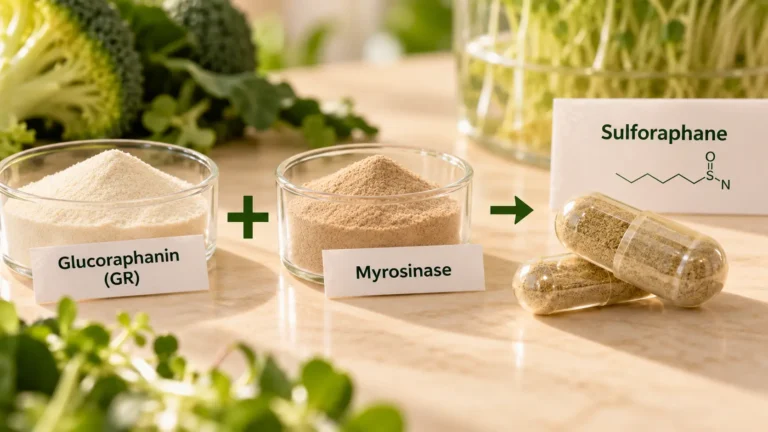 Glucoraphanin vs Sulforaphane: Which Form Does Your Supplement Formula Actually Need?→Glucoraphanin vs Sulforaphane: Which Form Does Your Supplement Formula Actually Need? WRITTEN BY Flora / OCTOBER 26, 2026…