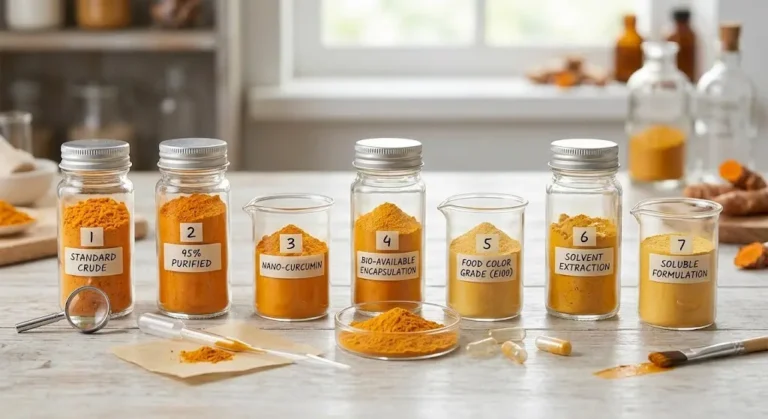
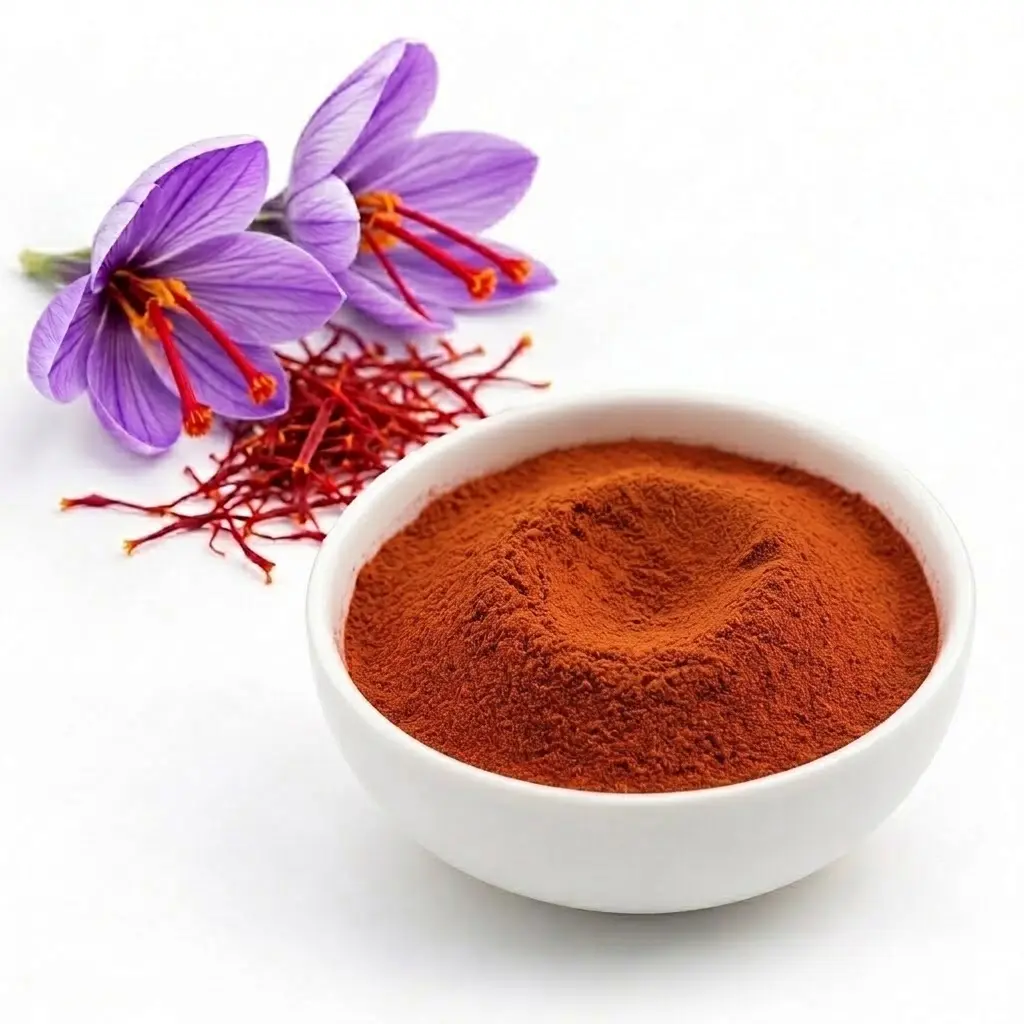
Saffron Extract
- Source
- Crocus sativus L. · saffron stigma
- Available grades
- Crocin 3%, 10%, 20%, 40% and 50% by UV
- Process
- Water-extracted · concentrated · spray-dried
- Solubility
- Water-soluble · suitable for capsules, drink mixes and functional beverages
- Applications
- Dietary supplements · functional beverages · drink mixes · food formulations
- Certifications
- ISO, HACCP, GMP, Kosher, Halal, FDA Compliant
MOQ
25 kg
Lead time
7–15 days
Quotation
Within 24 hours
Samples
10–20 g free
Bulk Saffron Extract Supplier — Crocin Standardised 3%, 10%, 20%, 40% & 50%, Water-Extracted, B2B Wholesale
Written by Shirley · Reviewed by Prof. Bingji Ma · Updated October 2026
PhytoVale supplies bulk saffron extract standardised to crocin at 3%, 10%, 20%, 40% and 50% by UV, water-extracted from the stigma of Crocus sativus L. — hand-harvested during the autumn flowering period, hot-water extracted to recover the polar carotenoid glycoside fraction, concentrated and spray-dried to a free-flowing powder with no organic solvents and no carriers added. Crocin-standardised saffron extract is a different product from whole saffron stigma powder or saffron spice — the extraction process isolates the bioactive carotenoid fraction to defined, reproducible levels that raw stigma powder cannot guarantee batch to batch. This distinction determines dosing precision, formulation consistency and whether the published clinical evidence actually applies to the ingredient in your capsule.
This page covers the five available grades and how to match each one to an end product, the bioactive profile that separates a crocin-standardised extract from raw saffron, clinical evidence organised by strength, formulation and stability guidance, regulatory status across key markets, authenticity testing, and a supplier-qualification checklist.
01 · Product range
Available Grades and How to Choose
Five grades, each for a different formulation problem. The right one depends on the end product, the capsule space available alongside co-actives, and whether water solubility and natural colour are part of the brief.
| Grade | Assay | Appearance | Typical dose per serving | Primary application window |
|---|---|---|---|---|
| Crocin 3% | UV | Orange-yellow powder, water-soluble, mild characteristic odour | 500–1 000 mg per serving | Functional beverages, drink mixes, food — natural golden-orange colouring with a functional crocin baseline |
| Crocin 10% | UV | Orange-red powder, water-soluble | 150–300 mg per capsule | The workhorse supplement grade — 2 caps/day × 150 mg = 30 mg crocin, matching the dose in mood, PMS and sleep trials |
| Crocin 20% | UV | Deep red-orange powder, water-soluble | 75–150 mg per capsule | Eye health and cognitive support stacks — smaller fill weight leaves room for lutein, zeaxanthin or PS |
| Crocin 40% | UV | Dark red powder, water-soluble | 50–75 mg per capsule | Concentrated eye-health and neuroprotective formulas; fits a single softgel alongside omega-3 |
| Crocin 50% | UV | Dark red powder, water-soluble | 30–60 mg per capsule | Pharma-grade R&D, clinical-trial supply, ultra-compact premium capsules |
The 10% grade is where most supplement projects start. The majority of mood-support trials used 30 mg/day of standardised extract. At 10% crocin, a 150 mg capsule delivers exactly 15 mg crocin; two capsules per day = 30 mg = the dose in the published meta-analyses.[1][2]
The 20% and 40% grades exist because eye-health and cognitive capsules rarely contain saffron alone. An AMD formula typically pairs saffron with lutein, zeaxanthin, zinc and omega-3. At 40%, you need only 75 mg of extract for 30 mg of crocin, freeing 400+ mg for co-actives.[3]
The 3% grade serves F&B applications where the brief is different: a meaningful crocin dose (15–30 mg) from a larger serving, clean water solubility, and natural golden-orange colour that replaces synthetic colourants while supporting a functional claim.
The 50% grade is for clinical-trial sponsors, pharma R&D and premium brands building ultra-compact one-per-day products.
Safranal and specification sheets
All grades contain safranal as part of the native bioactive matrix. Safranal content is not standardised (it degrades at variable rates during storage), but we can provide batch-level safranal data on request for clients formulating mood or sleep products where safranal content is a marketing point. Full COA — including particle size, loss on drying, heavy metals, microbiology, pesticide residues and crocin assay by UV — is provided for each grade. Request a COA here.
02 · Chemistry
Bioactive Composition — and Why Standardised Extract Is Not Saffron Powder
The four bioactives and why crocin is the specification anchor
Crocin is a water-soluble carotenoid glycoside — unusual among carotenoids, which are almost all lipid-soluble. It disperses in aqueous matrices without emulsifiers, survives gastric transit intact, and is hydrolysed to its aglycone crocetin in the small intestine before entering the bloodstream. Crocetin is the actual circulating metabolite — and it crosses the blood–brain barrier more readily than intact crocin, which matters for cognitive and neuroprotective applications.[4] Safranal, the monoterpene aldehyde responsible for saffron's aroma, contributes anxiolytic and serotonin-modulating activity but degrades during drying and storage at variable rates — making it unreliable as a QC marker. Picrocrocin, the bitter-taste glycoside, is a biosynthetic precursor to safranal with emerging evidence for appetite modulation.
Crocin is the standardisation anchor because it carries the largest clinical evidence base, is analytically straightforward to quantify by UV, and is the dominant bioactive in the stigma. Note that crocin also occurs naturally in gardenia fruit (Gardenia jasminoides) — a significantly cheaper botanical source. The two crocins are chemically identical, but the evidence base, the co-occurring bioactive matrix and the regulatory pathway differ substantially between sources. Our guide saffron extract vs gardenia extract — which crocin source for your formula covers the full comparison.
Standardised extract vs whole stigma powder
| Crocin-standardised extract (this product) | Whole saffron stigma powder | |
|---|---|---|
| Key compounds | Crocin (concentrated to 3–50%), crocetin, safranal, picrocrocin | Crocin (variable, typically 1–3%), crocetin, safranal, picrocrocin, fibre, moisture |
| Standardisation | % crocin by UV — batch-to-batch reproducible | No standardisation — varies by origin, harvest, drying and storage |
| Dosing precision | Exact crocin per capsule calculable | Unknown without lot-by-lot testing |
| Solubility | Water-soluble — disperses cleanly | Partial — fibre limits dispersion, may leave sediment |
| Cost per mg crocin | Lower at 10%+ grades | Higher — paying for non-bioactive plant material |
If your product targets a clinical-dose claim, you need a standardised extract. Whole stigma powder has a place in food applications, but it cannot deliver the batch-to-batch consistency a supplement formula requires.
From our enquiry desk
We regularly receive briefs asking for "saffron extract" without specifying whether the target marker is crocin, safranal or total carotenoids. These are different specifications for different applications. Tell us the end product and the target claim, and we will recommend the right grade.
03 · Evidence
What the Clinical Evidence Supports
Organised by strength of evidence, strongest first. Each direction closes with which grade fits. For a broader overview including secondary endpoints, see saffron extract benefits — evidence-based guide.
Mood support and depression — the strongest direction
A meta-research review pooling seven independent meta-analyses concluded that 30 mg/day of saffron extract for ≥6 weeks significantly improves depressive symptoms in mild-to-moderate MDD.[1] A 2024 meta-analysis of eight RCTs comparing saffron head-to-head against SSRIs found no significant difference in efficacy, with saffron showing fewer adverse events.[2] In healthy adults, a double-blind RCT (NCT03639831) showed improvements in subclinical mood and stress resilience.[9] The proposed mechanism: serotonin reuptake inhibition, pharmacologically analogous to SSRIs but milder.[1]
What this means for formulation: mood support is the primary positioning story. Crocin 10% at 150 mg/capsule, two per day, matches the clinical dose. For a deeper walk-through of the meta-analyses and how to build a claim substantiation file, see saffron extract for depression: what the meta-analyses actually show.
Eye health and retinal protection
A 2026 systematic review identified ten clinical trials across AMD, diabetic macular edema and glaucoma, using 20–50 mg/day of extract or 5–15 mg/day of crocin for 6 weeks to 12 months.[3] In dry AMD, 50 mg/day for three months significantly improved visual acuity and contrast sensitivity. In DME, 15 mg/day of crocin produced dose-dependent improvements in macular thickness. The mechanism is complementary to lutein: rather than filtering light, crocin actively protects photoreceptor cells through anti-inflammatory and anti-apoptotic pathways.
What this means for formulation: saffron is becoming a standard co-active in eye-health stacks alongside lutein and zeaxanthin. The 20% or 40% crocin grade fits a single capsule with room for co-actives.
Cognitive function and neuroprotection
A meta-analysis of four RCTs found saffron significantly improves cognitive function on the ADAS-cog and CDR-SB scales versus placebo.[4] In head-to-head trials, 30 mg/day of saffron matched donepezil (10 mg) over 22 weeks and memantine (20 mg) over twelve months, with a better safety profile in both.[5] The mechanism involves glutamate regulation, oxidative-stress reduction, and modulation of amyloid-beta and tau aggregation.
What this means for formulation: cognitive products need long-term daily use. The 20% grade allows a compact capsule for sustained compliance. Crocetin's ability to cross the blood–brain barrier supports whole-extract supplementation over purified crocin alone.
Cardiovascular and metabolic health
A 2022 dose-response meta-analysis reported that saffron significantly improved TG, TC, LDL, fasting blood glucose, HbA1c, HOMA-IR, systolic blood pressure, CRP and total antioxidant capacity.[6] In type 2 diabetes, 30 mg/day for 8–12 weeks significantly reduced fasting blood sugar and HbA1c versus placebo.
What this means for formulation: saffron can serve as lead active or co-active in cardiometabolic stacks. Crocin 10–20% at 30 mg/day.
Women's health — premenstrual syndrome
A double-blind RCT in BJOG found 30 mg/day of saffron effective in relieving PMS symptoms across two menstrual cycles.[7] A meta-analysis confirmed that 8–12 weeks of saffron reduced PMS severity with fewer side effects than pharmaceutical comparators.
What this means for formulation: Crocin 10% at 30 mg/day. The serotonin mechanism connects PMS and mood positioning under a single ingredient — useful for women's-health lines.
Sleep quality
A meta-analysis of five RCTs (379 participants) concluded that saffron extract at approximately 100 mg/day shows promising potential for improving sleep quality, supported by moderate-to-high quality evidence.[8] This is a distinct positioning from mood support — sleep is a separate product category with its own competitive set, and saffron offers a non-melatonin, non-sedative mechanism.
What this means for formulation: the 100 mg/day dose is higher than the mood dose. Crocin 10% at 500 mg/capsule, two per day, or Crocin 20% at 250 mg/capsule. Pairs naturally with magnesium or L-theanine in a sleep stack.
Weight management
In a randomised double-blind placebo-controlled trial, saffron extract reduced snacking frequency by approximately half, produced significant weight loss (~2 kg more than placebo) and waist circumference reduction over eight weeks. The full saffron extract outperformed purified crocin alone, suggesting synergistic effects across multiple bioactive compounds. The mechanism operates through serotonin-mediated appetite suppression rather than stimulant-based thermogenesis — relevant for positioning against caffeine-based weight-management products.
What this means for formulation: Crocin 10% at the standard supplement dose. The appetite-suppression story pairs well with fibre or protein-based satiety products.
Also in the literature
Sexual function: 30 mg/day of saffron for four weeks significantly improved erectile function in men and arousal scores in women with SSRI-induced sexual dysfunction. Exercise recovery: 300 mg/day of saffron for ten days significantly reduced creatine kinase and LDH after eccentric exercise, with participants reporting no delayed-onset muscle soreness at 24–72 hours.
Formulator's note
The evidence above supports formulation rationale and product positioning but does not constitute an approved health claim. Work with your regulatory team to determine permissible claim language in each market.
04 · Why it cannot be substituted
Why Lutein, Astaxanthin or Curcumin Cannot Replace Crocin in These Formulas
We hear this question from formulators looking to reduce raw-material cost: lutein is cheaper and also a carotenoid — can we use it instead of saffron in a mood or cognitive product? Can curcumin substitute for crocin in an eye formula?
The short answer is no, and there are three reasons.
Water solubility. Crocin is one of the only water-soluble carotenoids found in nature. Lutein, astaxanthin and beta-carotene are all lipid-soluble — they require oil-based carriers or emulsification for bioavailability and cannot be formulated into aqueous matrices directly. This is not a minor formulation footnote; it determines delivery-form options (crocin works in drinks and water-dispersible powders where other carotenoids do not) and affects absorption kinetics.
Mechanism specificity. The mood and cognitive evidence for saffron rests on serotonin reuptake inhibition and glutamate modulation — mechanisms that lutein and astaxanthin do not share. Lutein's evidence is in blue-light filtration and macular pigment density; astaxanthin's is in general antioxidant and anti-inflammatory activity. Replacing crocin with either one strips the mechanism that generated the clinical evidence. Curcumin has anti-inflammatory data but no published RCTs in AMD or SSRI-induced sexual dysfunction — the evidence sets do not overlap.
Blood–brain barrier penetration. Crocetin — the circulating metabolite of oral crocin — crosses the blood–brain barrier.[4] Most dietary carotenoids do not, or do so at negligible concentrations. For cognitive-health and neuroprotective formulas, this is the pharmacokinetic property that connects oral dosing to central nervous system activity.
A cost-saving substitution strips the evidence base, the mechanism and — in the case of beverages — the delivery-form flexibility from the product.
05 · Formulation
Formulation Applications and Stability
Capsule-fill arithmetic
Mood-support capsule (size-0, ~500 mg capacity): 150 mg saffron extract (crocin 10%) + 200 mg ashwagandha (5% withanolides) + 100 mg L-theanine + flow agents. Two per day = 30 mg crocin — clean three-ingredient label, clinical dose window hit.[1][2]
Eye-health capsule (size-00, ~740 mg): 75 mg saffron extract (crocin 40%) + 10 mg lutein + 2 mg zeaxanthin + 250 mg omega-3 fish oil powder + 15 mg zinc gluconate + excipients. One per day = 30 mg crocin alongside the AREDS2-adjacent combination — feasible only because the 40% grade compresses saffron into 75 mg of fill.
HPMC or gelatin capsules both work. Tablet compression is viable with 1–2% silicon dioxide for flowability; the extract is slightly hygroscopic. For a complete clinical-dose-to-capsule-fill conversion table across all application directions, see saffron extract dosage guide — clinical doses by application.
Functional beverages
The 3% grade is designed here. Crocin is water-soluble and produces a natural golden-orange colour — functional ingredient and natural colourant in one. Stable between pH 3 and 7; avoid pH < 3 where the glycosidic bond hydrolyses.
Stability
Light-sensitivity warning
Crocin degrades under light exposure. Finished products should use opaque or amber packaging — clear bottles will show colour fading and potency loss within weeks. Raw material: sealed aluminium-foil pouches, ≤25 °C, ≤60% RH, away from light. Shelf life: 24 months unopened; use within 6 months once opened.
Heat: standard manufacturing temperatures are fine; avoid sustained >70 °C in aqueous solution (relevant for hot-fill). Incompatibilities: avoid direct contact with iron salts in multi-mineral formulas (microencapsulation resolves this). No issues with standard capsule excipients.
06 · Compliance
Regulatory Status by Market
| Market | Regulatory status | Key considerations for high-crocin extracts |
|---|---|---|
| United States | Saffron is GRAS as a spice (21 CFR 182.10, 182.20). Supplement use under DSHEA. Structure/function claims permitted with notification | High-concentration extracts (40–50% crocin) may require NDI notification if no pre-DSHEA market history exists for that extract form |
| European Union | Saffron stigma has traditional food use. Listed as a supplement ingredient in several national registers | High-concentration extracts may trigger Novel Food assessment (EU 2015/2283). A branded extract (affron®) has received a positive EFSA safety evaluation. Former colour code E164 is no longer in Annex II of Reg. 1333/2008 |
| United Kingdom | Retained EU law applies | Novel Food requirements mirror EU. Check FSA guidance for concentrated botanicals |
| Canada | Listed in NHPID. Products require NPN | NHPD monograph conditions apply |
| Australia / NZ | Listed in TGA for complementary medicines | Permitted indications framework applies |
| Japan | Recognised food ingredient | Foods with Function Claims (FFC) pathway available |
| Middle East / GCC | Extensive traditional use. GSO standards apply | Halal certification typically required — we provide Halal-certified material |
Safety profile
A systematic review of 102 clinical trials concluded that saffron is generally well tolerated; most adverse events were minor gastrointestinal complaints (~17.5% incidence).[10] The clinical range of 30–100 mg/day has been safe in trials up to twelve months.[5]
Safety considerations
Drug interactions: may potentiate serotonergic medications (SSRIs, SNRIs) and anticoagulants — include a "consult your healthcare provider" advisory. Pregnancy: high-dose saffron has historically been associated with uterine stimulation; include a pregnancy advisory on labels.
Our position
We provide process descriptions, concentration-factor data and analytical specs to support Novel Food (EU) or NDI (US) filings. Contact us for a regulatory support package.
07 · Authenticity
Adulteration Testing — Why It Matters for Saffron
Saffron is the most expensive spice in the world by weight, which creates a persistent adulteration problem that extends to extracts. Common adulterants that inflate apparent crocin on a non-specific UV assay:
- Curcumin (turmeric) — absorbs in a similar UV range to crocin
- Safflower yellow (Carthamus tinctorius) — significantly cheaper plant-derived colourant
- Synthetic dyes — tartrazine (E102), sunset yellow (E110)
- Starch or dextrin fillers — dilute the extract without affecting colour
Every batch undergoes HPLC fingerprint profiling against a reference chromatogram from authenticated Crocus sativus stigma. Curcumin, safflower yellow and synthetic dyes produce distinct peaks that a UV-only assay would miss. Chromatograms are available on request.
Why we raise this
If a supplier cannot explain how they verify authenticity, they may not be verifying it.
08 · B2B qualification
Comparing Suppliers: What to Check Before You Buy
| Criterion | Why it matters | PhytoVale |
|---|---|---|
| Plant part | Stigma, petal and whole-flower extracts have vastly different crocin levels. If the COA doesn't state the plant part, you don't know what you're buying | Stigma, stated on COA |
| Standardisation marker | Crocin, safranal, total carotenoids or extraction ratio (10:1) are different specs for different applications | Crocin by UV; 3–50% range |
| Assay method | UV and HPLC produce different numbers on the same powder | UV; HPLC for authenticity. Methods on COA |
| Authenticity testing | Without HPLC, you can't distinguish genuine crocin from curcumin or safflower yellow blends | HPLC fingerprint; chromatograms on request |
| Extraction solvent | Water vs ethanol affects compound profile and residual-solvent documentation | Water extraction. No organic solvents |
| Carrier / excipients | Maltodextrin or cyclodextrin dilutes the active fraction. Ask whether the % is carrier-free | No carrier as standard |
| Heavy metals | Prop 65 lead limit is 0.5 μg/day at serving size | Pb, As, Cd, Hg every lot |
| Regulatory docs | Novel Food and NDI filings need process descriptions beyond a COA | Regulatory support package available |
| Certifications | ISO, HACCP, Halal, Kosher for supply-chain audits | ISO 9001 / 22000 / HACCP. Halal & Kosher on request |
Branded extracts vs generic standardised extract
Branded saffron extracts (such as affron® or Satiereal®) carry their own clinical dossiers and patent portfolios — but they also carry brand licensing costs and formulation restrictions. A generic crocin-standardised extract gives formulators the same active compound at a lower cost point with full flexibility over dosage, co-actives and finished-product branding. The clinical evidence for saffron's bioactive compounds applies to crocin and crocetin regardless of the brand wrapper.
Tell us your target grade, application and destination market. We will send a COA and a free sample for your lab verification.
09 · Evidence base
References
[1] Hausenblas HA, Saha D, Dubyak PJ, Anton SD. Saffron (Crocus sativus L.) and major depressive disorder: a meta-analysis of randomized clinical trials. J Integr Med. 2013;11(6):377–383. Read paper
[2] Anbari S, Estaji Z, Rastegar A. Effect of saffron versus selective serotonin reuptake inhibitors (SSRIs) in treatment of depression and anxiety: a meta-analysis of randomized controlled trials. Integr Med Res. 2024. PROSPERO: CRD42023443236. Read paper
[3] Ferrara S, Schloss J. Does Crocus sativus (saffron) have an influence or effect on ocular health: a systematic literature review. J Evid Based Integr Med. 2026;31. Read paper
[4] Zhang L, Xu L et al. Saffron for mild cognitive impairment and dementia: a systematic review and meta-analysis of randomised clinical trials. BMC Complement Med Ther. 2020;20:333. Read paper
[5] Farokhnia M, Shafiee Sabet M et al. Comparing the efficacy and safety of Crocus sativus L. with memantine in patients with moderate to severe Alzheimer's disease: a double-blind randomized clinical trial. Hum Psychopharmacol. 2014;29(4):351–359. Read paper
[6] Zamani M, Zarei M et al. The effects of saffron supplementation on cardiovascular risk factors in adults: a systematic review and dose-response meta-analysis. Front Nutr. 2022;9:1055517. Read paper
[7] Agha-Hosseini M, Kashani L et al. Crocus sativus L. (saffron) in the treatment of premenstrual syndrome: a double-blind, randomised and placebo-controlled trial. BJOG. 2008;115(4):515–519. Read paper
[8] Lian Y, Gao L et al. Effects of saffron supplementation on improving sleep quality: a meta-analysis of randomized controlled trials. Sleep Med. 2022;92:24–33. Read paper
[9] Lopresti AL, Smith SJ, Drummond PD. Effects of saffron extract supplementation on mood, well-being, and response to a psychosocial stressor in healthy adults: a randomized, double-blind, parallel group, clinical trial. Front Nutr. 2020;7:606124. Read paper
[10] Hasheminasab FS, Hajimonfarednejad M, Najibi SM. Saffron (Crocus sativus L.) monopreparation safety: a systematic review of clinical trials. Health Sci Rep. 2025;8(1):e70341. Read paper
Reviewed by
Prof. Bingji MaScientific Advisor, PhytoVale · Professor & Medicinal Plant Science Expert. Research focus: Chinese medicinal materials, phytochemistry, natural products and medicinal plant quality.
Written by
ShirleyB2B Sales & Export, PhytoVale · Handles international client correspondence, product sourcing and technical content for the plant extract ingredient line.
10 · Questions
Frequently Asked Questions
Standardised saffron extract vs whole stigma powder — what is the difference?
Whole stigma powder has variable crocin content (typically 1–3%), dependent on origin, harvest and storage. A standardised extract concentrates crocin to a defined level (3–50%), tested every batch. If your product targets a clinical-dose claim, standardised extract is necessary for consistent crocin delivery.
Why is crocin the standardisation marker instead of safranal?
Crocin has the largest clinical evidence base and is analytically stable for routine UV testing. Safranal is pharmacologically active but volatile — it degrades during storage at variable rates, making it unreliable as a QC marker.
Water extraction vs ethanol extraction?
Crocin is water-soluble, so water extraction preferentially recovers the crocin-rich fraction with no organic-solvent residues — simplifying incoming QC and regulatory documentation.
What doses are used in clinical trials?
Mood, PMS, cognitive: 30 mg/day for ≥6 weeks. Eye health: 20–50 mg extract or 5–15 mg crocin/day for 3–12 months. Sleep: ~100 mg/day. At our 10% grade, 300 mg extract/day = 30 mg crocin. At 40%, 75 mg delivers the same.
How do I verify authenticity?
UV-only assays can be inflated by curcumin, safflower yellow and synthetic dyes. HPLC fingerprint profiling separates crocin from these by retention time. We run HPLC on every batch; chromatograms available on request.
Is saffron extract safe for daily use?
A review of 102 trials found saffron generally well tolerated at 30–100 mg/day for up to twelve months. Main considerations: potential interactions with SSRIs and anticoagulants, and a pregnancy advisory above culinary doses.
Does it require Novel Food authorisation in the EU?
Traditional saffron is not Novel Food. High-concentration extracts (20%+) may be assessed under EU 2015/2283 depending on concentration factor. We provide process documentation to support filings if needed.
What documents ship with each order?
COA (crocin by UV, method stated), MSDS, TDS, allergen statement, origin statement. HPLC chromatograms and regulatory support docs on request. Certifications: ISO 9001 / 22000 / HACCP; Halal and Kosher on request.
B2B supply
Tell us the grade and the application
Send us the crocin percentage you need, the product format and where it will be sold. We will reply within 24 hours with a quote, a free sample and a COA with assay method and HPLC authenticity verification.
Request a sample →Browse all products →Disclaimer: this page is intended for ingredient evaluation, formulation and B2B purchasing. PhytoVale supplies saffron extract as a dietary-supplement and nutraceutical ingredient. Statements regarding dietary supplements have not been evaluated by the FDA or any equivalent regulatory authority. Research is summarised as technical background and does not constitute claim substantiation for any finished product. Regulatory positions change; information above is current as of the update date and should be re-verified against legislation in force at product launch. Finished-product manufacturers are responsible for ingredient classification, labelling, claims and compliance in their target markets. © 2026 PhytoVale.
Related Botanical Ingredients
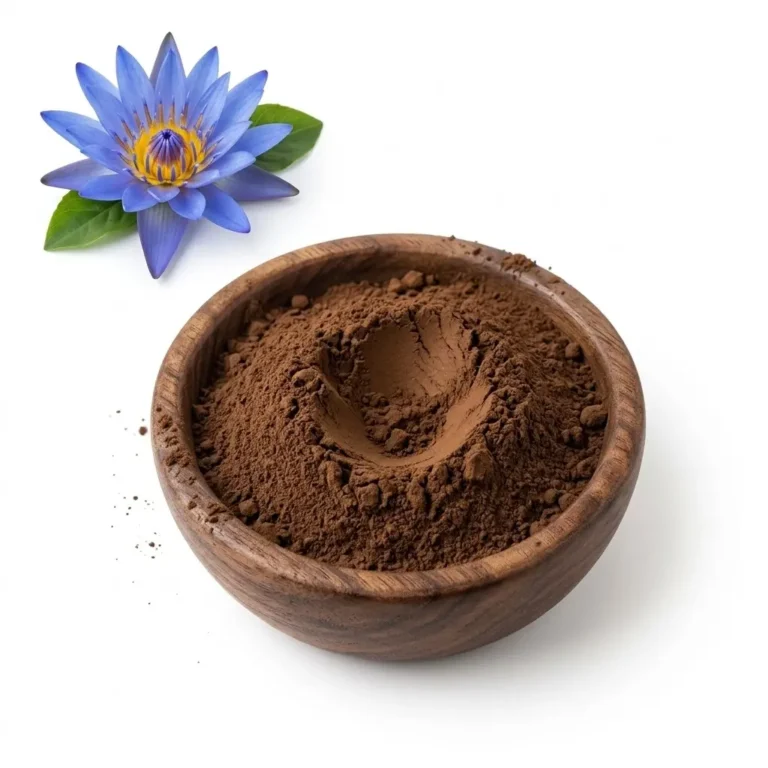 Blue Lotus ExtractKey specification: None
CAS N/A
10:1 · 30:1 · 50:1 · 100:1 · 200:1 (fresh flower basis)
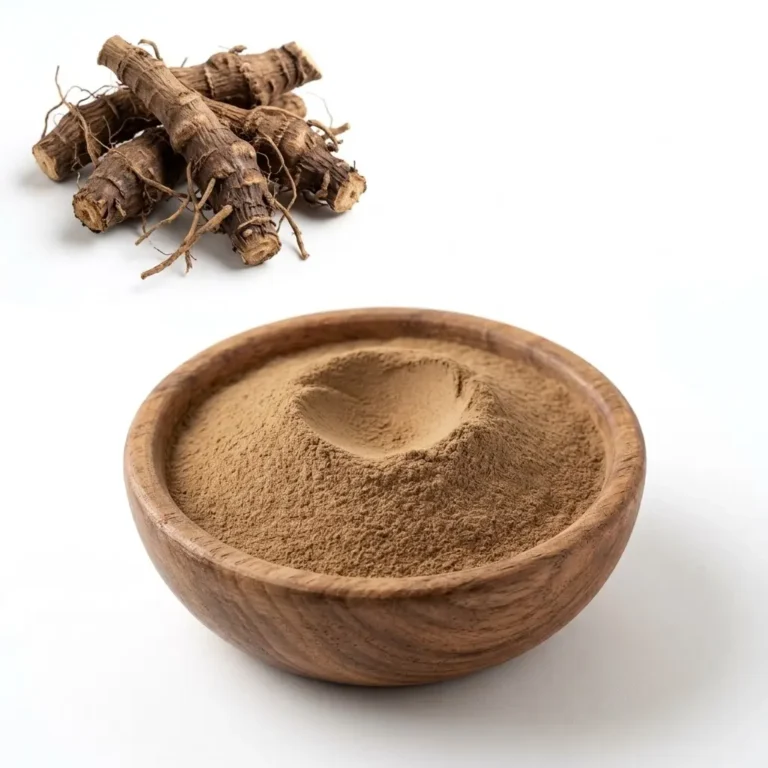 Butterbur ExtractKey specification: Total Petasins
CAS N/A
Total Petasins 10%, 15%, 20%, 30%
 Cinnamon Bark ExtractKey specification: Polyphenols
CAS 84649-98-9
total polyphenols 10%, 20%, 30%
 Citrus aurantium extractKey specification: Synephrine/Total Flavonoids
CAS 94-07-5
Synephrine 6%, 30%, 50%, 98% Total Flavonoids 30%, 60%, 98%
 Custom Sweetener Blend OEM: The Buyer’s Process Guide→Custom Sweetener Blend OEM: The Buyer’s Process Guide WRITTEN BY Flora / OCTOBER 19, 2026 Written by Flora,…
 Types of Curcumin Extract: 7 Grades by Process, Assay and Use→Types of Curcumin Extract: 7 Grades by Process, Assay and Use WRITTEN BY Flora / OCTOBER 17, 2026…